
The Essential Guide to Epoxy Flooring: Uncovering the Basics, Application, and Popularity
- CCA concrete coating

- Sep 19, 2024
- 3 min read
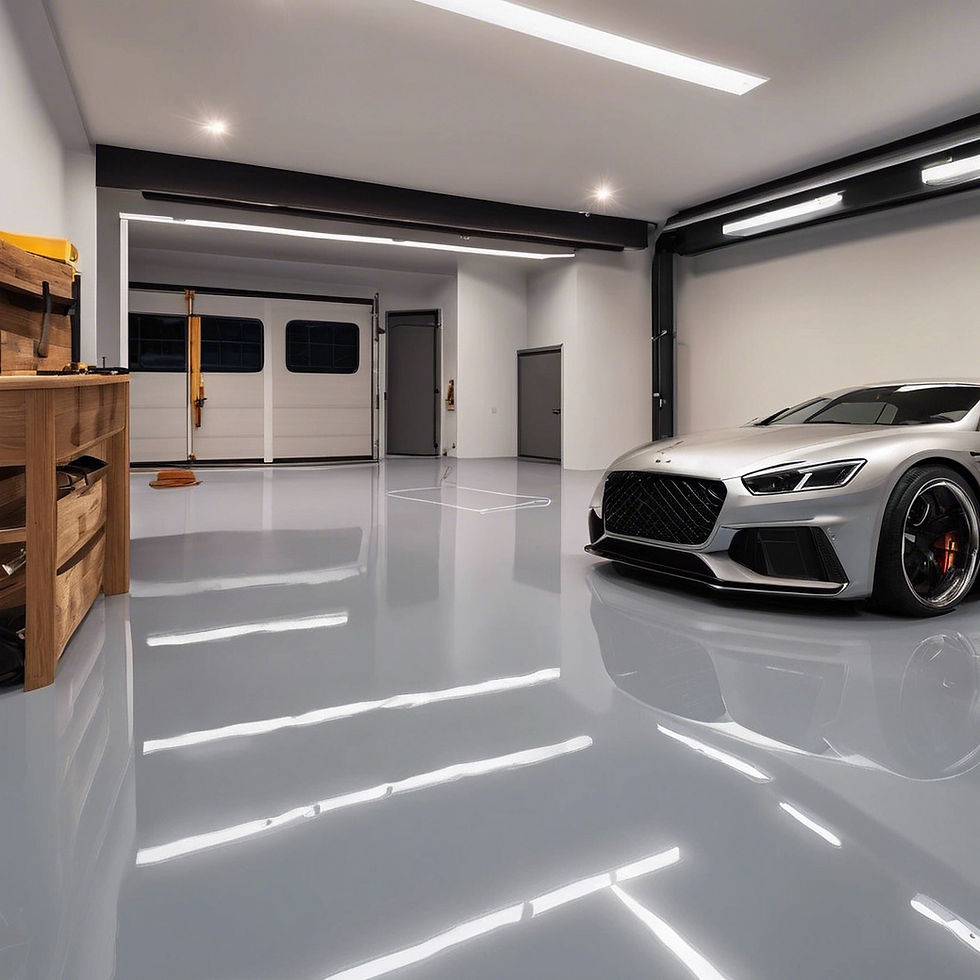
In the realm of interior design and renovation, an often-overlooked yet impactful element is flooring. Among the array of flooring options available, epoxy flooring has risen in popularity for its durability, aesthetic appeal, and ease of maintenance. If you're considering upgrading your floors to enhance both form and function, this ultimate guide to epoxy flooring will provide you with everything you need to know to make an informed decision.
What is Epoxy Flooring?
Epoxy flooring is a type of resin flooring that is created by mixing a hardening solution with epoxy resin. The chemical reaction that occurs during this mixing process results in a rigid plastic material that bonds exceptionally well to various surfaces, creating a strong and durable flooring solution. This unique composition makes epoxy flooring resistant to stains, impacts, chemicals, and abrasions, making it an ideal choice for high-traffic areas in residential, commercial, and industrial spaces.
How is Epoxy Flooring Applied?
The application of epoxy flooring involves meticulous steps to ensure a seamless and long-lasting finish. The process typically includes the following stages:
Surface Preparation: The key to a successful epoxy flooring application lies in thorough surface preparation. This step involves cleaning, degreasing, and etching the surface to promote adhesion.
Primer Application: Once the surface is prepped, a primer is applied to enhance the bond between the concrete substrate and the epoxy resin.
Epoxy Coating: The epoxy resin is then mixed with a hardening agent and spread evenly across the floor. Depending on the desired finish, multiple coats may be applied.
Topcoat Application: To enhance the resilience and longevity of the flooring, a protective topcoat is often applied to seal the surface and provide additional durability.
Curing: After the application is complete, the epoxy flooring needs time to cure and harden properly. This curing period is crucial to ensure the strength and longevity of the flooring.
Why is Epoxy Flooring Popular?
The popularity of epoxy flooring can be attributed to several factors that set it apart from traditional flooring options:
Durability: Epoxy flooring is renowned for its unmatched durability, making it resilient to heavy foot traffic, impacts, and chemical spills, thereby extending its lifespan.
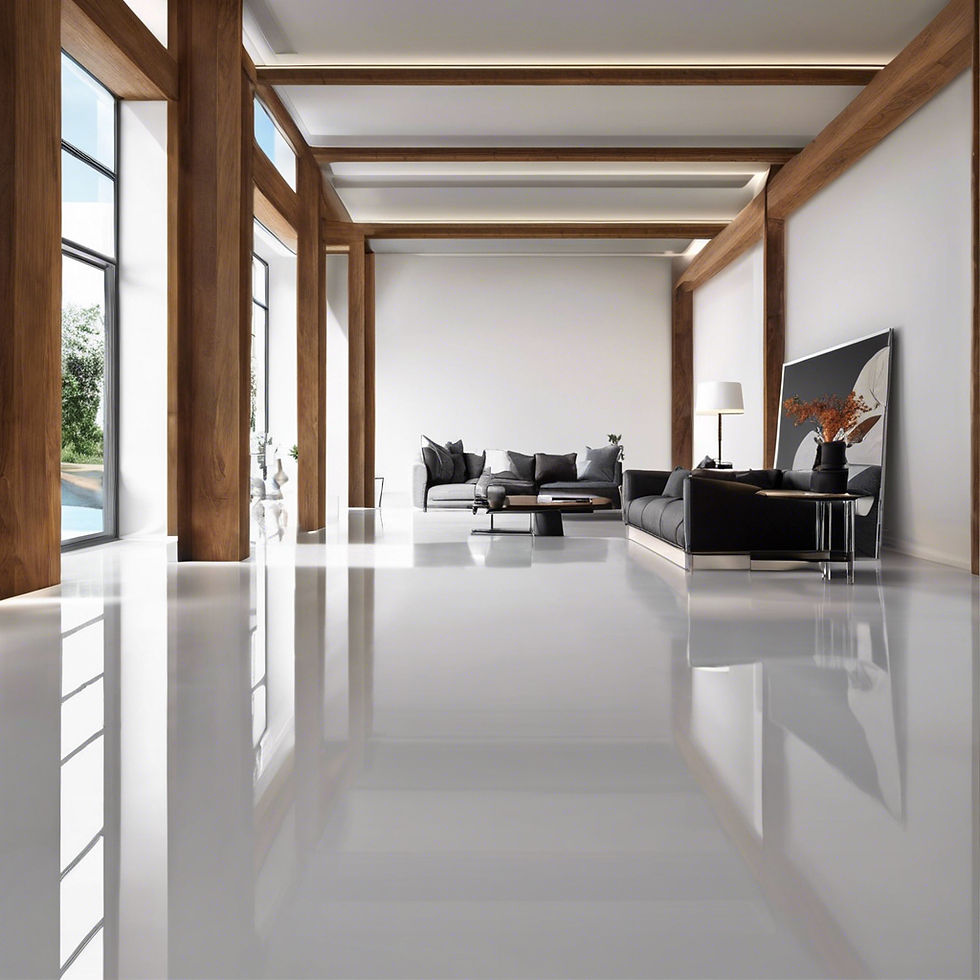
Aesthetic Versatility: Epoxy flooring offers endless design possibilities, from sleek and modern finishes to decorative patterns and color options, allowing for customization to suit any space.
Easy Maintenance: Unlike other flooring materials that require frequent upkeep, epoxy flooring is incredibly low-maintenance, requiring simple cleaning routines to keep it looking pristine.
Cost-Effectiveness: While the initial installation cost of epoxy flooring may be higher than traditional options, its long-term durability and minimal maintenance result in cost savings over time.
By understanding the basics, application process, and the reasons behind its widespread popularity, you're equipped to explore the world of epoxy flooring with confidence. Whether you're seeking a practical, durable solution for a high-traffic area or a stylish addition to elevate your space's aesthetics, epoxy flooring presents a versatile and reliable choice that caters to a wide range of needs.
Epoxy flooring seamlessly combines functionality and style to transform your floors into durable, eye-catching focal points within your living or working space. As you embark on your flooring upgrade journey, consider the enduring appeal and practical benefits of epoxy flooring for a long-lasting investment in both form and function.
Remember, your floors are not just surfaces to walk on; they're foundations that set the tone for your entire space. Choose epoxy flooring for a combination of strength, style, and durability that elevates your environment to new heights.
Comments